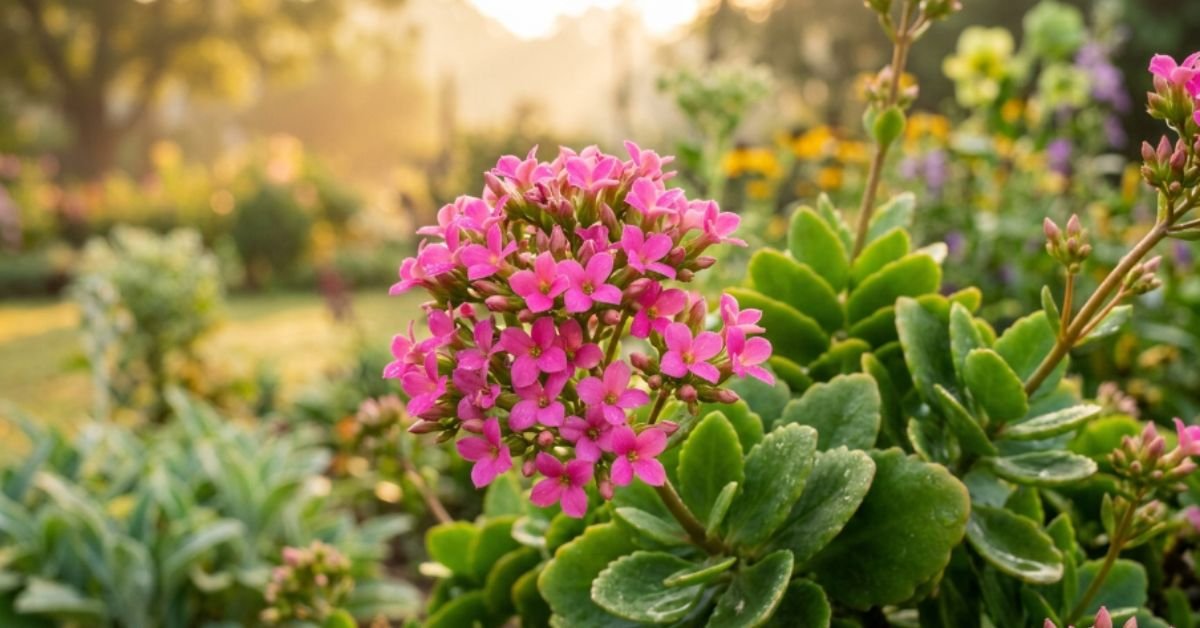
Ever tried naming a flower for every letter of the alphabet? K is where most people get stuck. It’s not because K flowers are rare exactly. It’s because nobody talks about them.
That changes today. This guide covers flowers that start with K you can actually grow, from beginner-friendly houseplants to South African bulbs most nurseries have never stocked. Stick around for colors, bloom times, growing zones, and the mistakes people make with these plants.
Quick Answer: What Are K Flower Names?
K flower names span everything from common houseplants to rare wild bulbs. Think Kalanchoe sitting on a kitchen windowsill, or Kniphofia (red hot poker) lighting up a summer border.
Some, like Kaffir Lily, are staples in garden centers. Others, like Kelkiewyn, only bloom in the wild hills outside Darling, South Africa, for a few weeks each spring.
That range is what makes this letter interesting. You get ornamental plants, flowering shrubs, flowering trees, and a handful of genuine collector’s items, all under one letter.
Alphabetical Quick List
Here’s every flower beginning with K covered in this guide, in order:
- Kaffir Lily
- Kalanchoe
- Kalmia
- Kalmiopsis
- Kangaroo Paw
- Kanawao
- Kadupul
- Kelkiewyn
- Kerria
- Kigelia
- King Protea
- King’s Mantle
- Kirengeshoma
- Kiss Me Over the Garden Gate
- Kitaibelia
- Knautia
- Knapweed
- Kniphofia
- Kobus Magnolia
- Kochia
- Koki’o
- Kolkwitzia
- Korean Bellflower
- Korean Mint
- Korolkowia
- Kopsia
- Kosteletzkya
- Kunzea
That’s a solid flower directory for one letter. Save this list, because you’ll want to come back to it once you start planning beds.
K Named Flowers: At A Glance
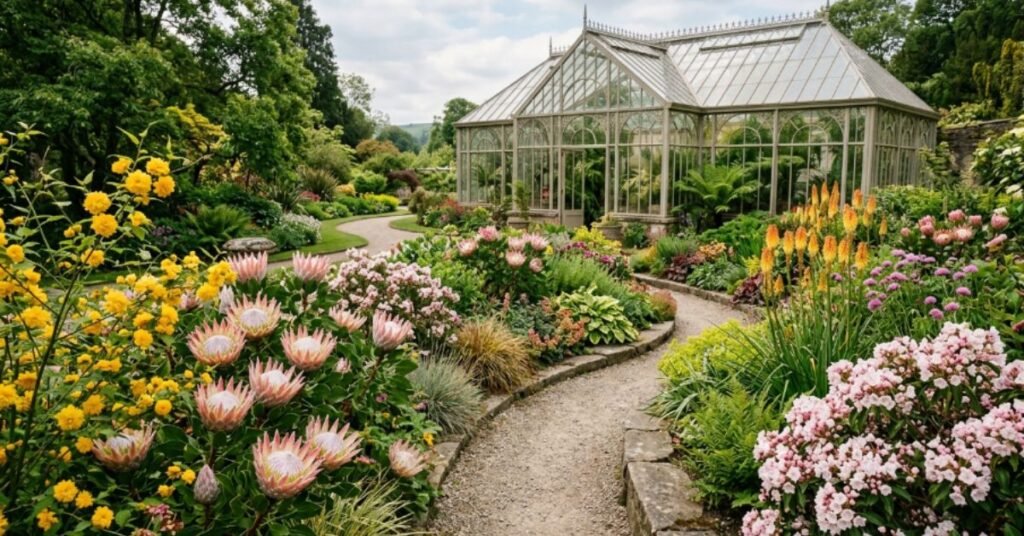
A fast reference table beats scrolling through paragraphs when you’re planning a garden. Here’s the botanical flower names and basics side by side.
| Common Name | Botanical Name | Plant Type | Main Colors | Beginner Friendly |
| Kaffir Lily | Clivia miniata | Flowering perennial | Orange, red, yellow | Yes |
| Kalanchoe | Kalanchoe blossfeldiana | Flowering succulent | Pink, red, yellow | Yes |
| Kalmia | Kalmia latifolia | Flowering shrub | Pink, white | Moderate |
| Kalmiopsis | Kalmiopsis leachiana | Flowering shrub | Pink | No (rare) |
| Kangaroo Paw | Anigozanthos | Herbaceous perennial | Red, yellow, orange | Moderate |
| Kanawao | Broussaisia arguta | Native Hawaiian shrub | White, pink | No |
| Kadupul | Epiphyllum oxypetalum | Flowering cactus | White | Moderate |
| Kelkiewyn | Geissorhiza eurystigma | Bulbous flower | Deep red, cream | No (rare) |
| Kerria | Kerria japonica | Flowering shrub | Yellow | Yes |
| Kigelia | Kigelia africana | Flowering tree | Maroon, dark red | No |
| King Protea | Protea cynaroides | Flowering shrub | Pink, cream | Moderate |
This table only scratches the surface. Keep reading for the full flower encyclopedia rundown, including colors and use cases for the rest.
Bloom Time And Growing Zones At A Glance
Bloom timing varies more than you’d expect for one letter of the alphabet. Some K flowers show up in late winter, others wait until fall.
- Late winter to spring: Kaffir Lily, Kerria, Kobus Magnolia
- Spring: Kalmia, Kelkiewyn, Kolkwitzia, Korean Bellflower
- Summer: Kangaroo Paw, Knautia, Kniphofia, Korean Mint
- Summer to fall: Kiss Me Over the Garden Gate, Kosteletzkya, Knapweed
- Warm season, tropical only: Kigelia, King’s Mantle, Kopsia
Climate suitability matters just as much. Kigelia and Kopsia need frost-free, tropical conditions. Kalmia and Kirengeshoma prefer cooler, shaded gardens. Match the plant to your zone before you fall in love with the photo.
Plants Vs Flowers That Start With K
Here’s something most lists skip. Not every name on this page is a flower in the strict sense. Some are flowering shrubs or flowering trees, where the bloom is just one part of the plant’s identity.
Kigelia, for example, is really a tree. The sausage-shaped seed pods get more attention than the actual maroon flowers. Kerria and Kolkwitzia are shrubs first, flowering machines second.
If you want a true herbaceous flower for a border or a vase, stick with names like Knautia, Kniphofia, or Korean Bellflower. If you want structure plus seasonal color, the shrubs and trees on this list do double duty.
Types of Flowers That Start With K
K flowers split neatly into a few useful categories: perennials, annuals, and standout colors like purple. Knowing which bucket a plant falls into saves you from replanting something every single year by accident.
Perennials That Start With K
Perennial flowers come back year after year without replanting, and K has some strong options here. Kniphofia (red hot poker) is the poster child, sending up tall orange-red spikes that hummingbirds can’t resist.
Kirengeshoma palmata is a quieter perennial, producing soft yellow, waxy blooms in shaded corners during late summer. It’s a favorite for shade gardens where sun-loving perennials struggle.
Kitaibelia vitifolia rounds things out with tall, pink, hibiscus-like flowers on a plant that can top six feet. Give it room; it’s not a shy grower.
Annual Flowers That Start With K
Annual flowers finish their life cycle in one season, which makes them great for trying something new without long-term commitment. Kiss Me Over the Garden Gate (Persicaria orientalis) is the star here, with dangling pink flower chains that cottage gardeners love.
Kochia, grown mostly for its bright green (later red) foliage rather than showy blooms, also falls into this annual category. Just know it self-seeds aggressively, more on that in the safety section below.
Annuals like these fill gaps in a border fast. Sow them where you want quick color while slower perennials establish themselves.
Purple Flowers That Start With K
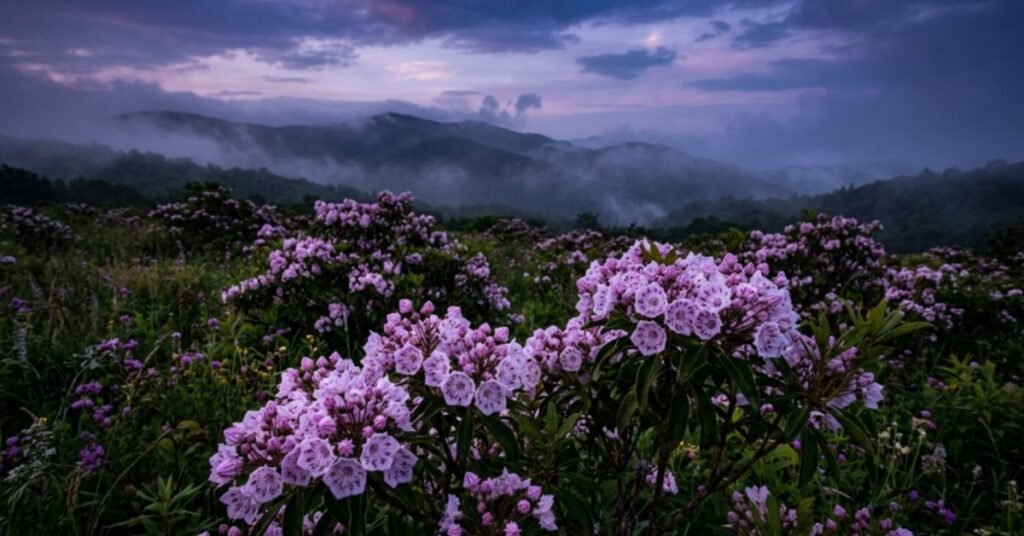
Purple flowers that start with K aren’t hard to find once you know where to look. Knautia macedonica produces deep wine-red to purple pincushion blooms all summer, and bees treat it like a buffet.
King’s Mantle (Thunbergia erecta) brings tropical purple-blue trumpet flowers to warm climates, often used as a flowering hedge. Knapweed (Centaurea) also lands in this color family, with thistle-like purple flower heads.
If your garden theme leans toward moody, jewel-toned color schemes, these three names are worth remembering.
K Flower Names By Color
Color drives most planting decisions, so here’s a rundown by shade:
- Orange, red, yellow: Kaffir Lily, Kniphofia, Kalanchoe
- Yellow: Kerria, Kirengeshoma, Korean Mint (foliage, pale bloom)
- Purple, violet: Knautia, King’s Mantle, Knapweed
- Pink: Kolkwitzia, Kiss Me Over the Garden Gate, Kosteletzkya
- White, cream: Kadupul, Kanawao, King Protea (cream variants)
- Maroon, dark red: Kigelia, Kelkiewyn
Are There Indoor Flowers That Start With K?
Yes, and Kalanchoe is the obvious answer. It’s a compact flowering succulent that tolerates low humidity and irregular watering, which makes it forgiving for beginners.
Kaffir Lily also does well indoors in bright indirect light, especially in cooler rooms. It rewards you with clusters of trumpet flowers in late winter, right when everything outside looks grey.
Which K Flowers Are Good For Beginners?
If you’re new to gardening, start with Kerria, Kalanchoe, or Kolkwitzia. All three tolerate a bit of neglect, don’t demand fussy soil, and still bloom reliably.
Avoid Kalmiopsis and Kelkiewyn as first plants. They’re collector plants with narrow growing requirements, better suited to someone who already understands soil drainage and microclimates.
Best K Flowers By Use
Different gardens call for different jobs. Want a hedge? King’s Mantle works. Want a cut flower for a vase? Kniphofia holds up well. Want a specimen tree that becomes the talking point of the yard? Kigelia does that, assuming your climate cooperates.
Fragrant And Pollinator Friendly K Flowers
Korean Mint (Agastache rugosa) is the fragrance winner on this list, with a licorice-mint scent that pollinators find irresistible. Rub a leaf between your fingers and you’ll understand why it’s a favorite in pollinator gardens.
Knautia macedonica and Kniphofia both pull in bees and butterflies for months at a stretch. If a wildlife-friendly yard is the goal, these two plus Korean Mint form a solid trio.
Common Flowers That Start With K
Not everything on this list is obscure. Kalanchoe, Kaffir Lily, Kerria, and Kniphofia show up in garden centers across most regions. These four make up the backbone of any practical K garden flowers shopping list, and nurseries usually stock them without a special order.
What Are Rare Flowers That Start With K?
Kalmiopsis leachiana tops the rarity list. It’s endemic to a small patch of southwestern Oregon, so rare it gave its name to an entire wilderness area. Growing one outside its native range takes real effort.
Kelkiewyn is the second contender, blooming for a short window each spring in South Africa’s Western Cape and rarely offered commercially outside specialist bulb collectors.
Korolkowia sewerzowii, a Central Asian bulb related to fritillaries, rounds out the rare group. If you find seed or bulbs for sale, you’re dealing with a genuine specialty item, not a garden center impulse buy.
Before Planting K Flowers: Safety, Invasive, And Climate Notes
Not every K flower is harmless. Kalmia latifolia (mountain laurel) is toxic to livestock, pets, and humans if ingested, so keep it away from grazing animals and curious kids.
Kochia and some Knapweed species carry a different warning: they’re considered invasive plants in parts of North America. Spotted knapweed, in particular, spreads aggressively and crowds out native vegetation. Check with your local extension services before planting either one outside a controlled garden bed.
Climate adaptation matters too. Tropical species like Kigelia and Kopsia won’t survive a frost, while Kalmiopsis needs cool, acidic, well-drained soil that mimics its native mountain habitat. Match the plant to your actual conditions, not the photo that convinced you to buy it.
Growing Snapshot
Most K flowers fall into one of two camps: easy-going shrubs and perennials, or fussier specialty bulbs and tropicals. Knowing which camp you’re dealing with before planting saves a season of frustration.
Sun, Soil, Water, And Bloom Season Patterns
- Full sun: Kniphofia, Knautia, King Protea
- Partial shade: Kirengeshoma, Kalmia, Korean Bellflower
- Well-drained soil: nearly all of them, especially bulbs like Kelkiewyn
- Moist soil: Kosteletzkya, Kanawao
- Bright light, indoors: Kalanchoe, Kaffir Lily
Get the sun and soil right first. Bloom timing tends to sort itself out once those two basics are covered.
Common Growing Mistakes
The number one mistake is overwatering bulbs like Kelkiewyn during their summer dormancy. These bulbous perennials need dry rest, not a steady drink.
The second mistake is planting tropical species like Kigelia or Kopsia somewhere with even a light frost. One cold night can undo a full growing season.
Third, people crowd shrubs like Kolkwitzia and Kerria too close together. Give them the spacing listed on the tag; they fill out fast.
Best Garden Uses
K flowers slot into nearly every garden style, from tidy borders to wild pollinator meadows. Here’s how to actually use them.
Beds, Borders, Containers, And Bouquets
Container gardening suits Kalanchoe and smaller Kniphofia varieties well. Border planting works for Knautia, Korean Bellflower, and Kolkwitzia.
For floral arrangements, cut Kniphofia spikes or King Protea blooms. Both hold up for over a week in a vase, which is longer than most cut flowers manage.
Garden Style Matches
Cottage gardens love Kiss Me Over the Garden Gate and Knautia. Woodland gardens suit Kirengeshoma and Kalmia. Coastal gardens do well with Kosteletzkya, since it tolerates salt and damp soil. Tropical gardens are the natural home for Kigelia, Kopsia, and King’s Mantle.
Conclusion
K might be the most overlooked letter in the flower alphabet, but it’s not short on options. You’ve got easy houseplants, hardy shrubs, and a handful of genuine rarities worth chasing if you’re the collector type.
Start with the beginner-friendly picks like Kalanchoe or Kerria if you’re new to this. Once those thrive, work your way toward the rarer names on this list. Got a favorite K flower we missed? Drop it in the comments, this list is always growing.
FAQ’s
What are flowers that start with K? They’re any bloom whose common name begins with K, from houseplants like Kalanchoe to rare bulbs like Kelkiewyn.
How many flowers start with the letter K? This guide covers 28 named varieties, though dozens more exist across regional and botanical databases.
What is the most popular flower that starts with K? Kalanchoe and Kaffir Lily are the most widely sold, thanks to their easy care and year-round availability.
Are there indoor flowers that start with K? Yes. Kalanchoe and Kaffir Lily both thrive indoors with bright, indirect light.
What is a rare flower that starts with K? Kalmiopsis leachiana and Kelkiewyn are among the rarest, both restricted to small native ranges.
Is Knapweed a flower that starts with K? Yes, though some species are classified as invasive plants and should be checked against local guidelines first.
Which flower starting with K smells the best? Korean Mint offers the strongest fragrance, with a sweet, licorice-like scent from its foliage.
What are yellow flowers that start with K? Kerria and Kirengeshoma both produce yellow blooms, one on a shrub and one on a shade perennial.
Are any flowers that start with K native to Hawaii? Yes. Kanawao and Koki’o are both native Hawaiian species.
What flower starts with K and is purple? Knautia, King’s Mantle, and Knapweed all produce purple to violet blooms.
What is the difference between flowers and flowering plants that start with K? Some K names, like Kigelia, refer to trees or shrubs where the flower is one feature. Others, like Kniphofia, are herbaceous plants grown mainly for the bloom itself.
Are there any K flowers good for pollinators? Korean Mint, Knautia, and Kniphofia all attract bees and butterflies reliably through the growing season.

Jack Danniel is a flower enthusiast, writer, and experienced SEO expert passionate about creating helpful content.
With years of experience in SEO and content strategy, he shares engaging and informative insights about flowers.
His goal is to make floral information easy to understand while helping readers discover the beauty of nature.